

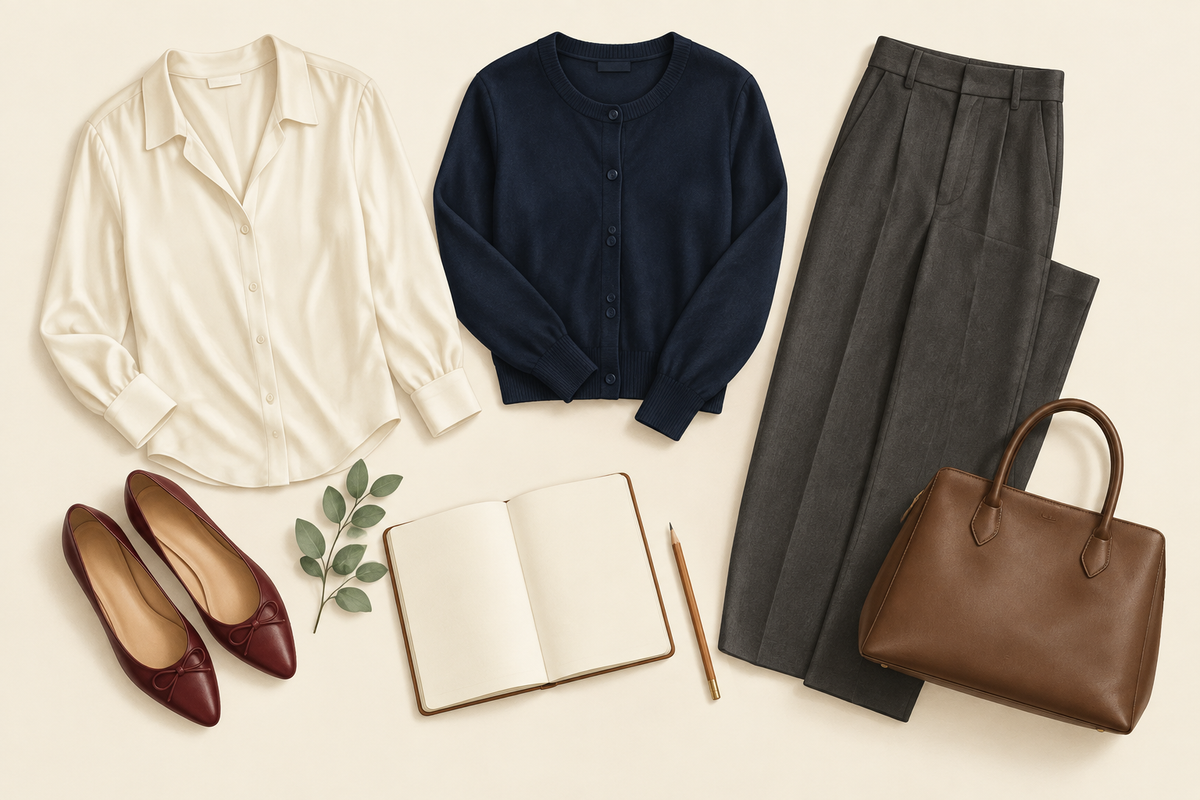
To build a workwear capsule wardrobe on a budget, start with the clothes you already wear, put together outfits that meet your workplace rules, and buy only for gaps you can clearly identify. A capsule does not need a fixed number of pieces, a completely new color palette, or a large first shopping trip.
The useful question is not how much you can buy for your budget. It is which change would make your working wardrobe more practical.
Audit your wardrobe before setting a shopping list
Take out your usual work tops, bottoms, dresses, layers, and shoes. Try them on in combinations, including any jacket or coat you wear for the commute. Separate pieces into three groups:
- Ready to wear: Clothes that fit, meet your dress code, and work with other items.
- Needs attention: Pieces with a specific repair, cleaning, or alteration need.
- Not useful for work: Clothes that do not fit your current routine, even if you still enjoy them elsewhere.
Do not count an item as a reliable work option just because you own it. Equally, do not replace a useful piece simply because it is not new.
Build outfits for your actual week
Consider how many workdays you need to cover between washing or cleaning, whether you have meetings with different dress expectations, and how your commute affects footwear and layers.
Try repeating a bottom with different tops or using the same jacket across several combinations. Write down the outfits that work, or photograph them for reference. The number of garments you need depends on your laundry routine, workplace, climate, and preferences, not a universal capsule target.
For example, if two tops work with your trousers but a third does not fit comfortably under your cardigan, the gap may be one compatible top rather than a new pair of trousers and another layer.
Set a limit that includes more than the purchase price
Decide what you can spend before browsing. Include any known delivery charges, alteration costs, and likely care needs. Read the care instructions: a garment that requires a routine you cannot maintain may be a poor choice even if the initial price is attractive.
You do not have to spend the full amount. Leave room for an unexpected need if your work schedule or conditions change, rather than treating an unused budget as a reason to buy another piece.
Rank gaps by how much they help
List missing roles rather than brand names or vague categories. For instance, write “a top that works beneath my existing blazer” instead of “more tops.” Then consider each gap:
- Does it prevent me from getting dressed for a required workday?
- Would filling it complete several outfits I already own?
- Can I solve it by changing a combination or addressing a repair first?
- Does it suit my current dress code, climate, and commute?
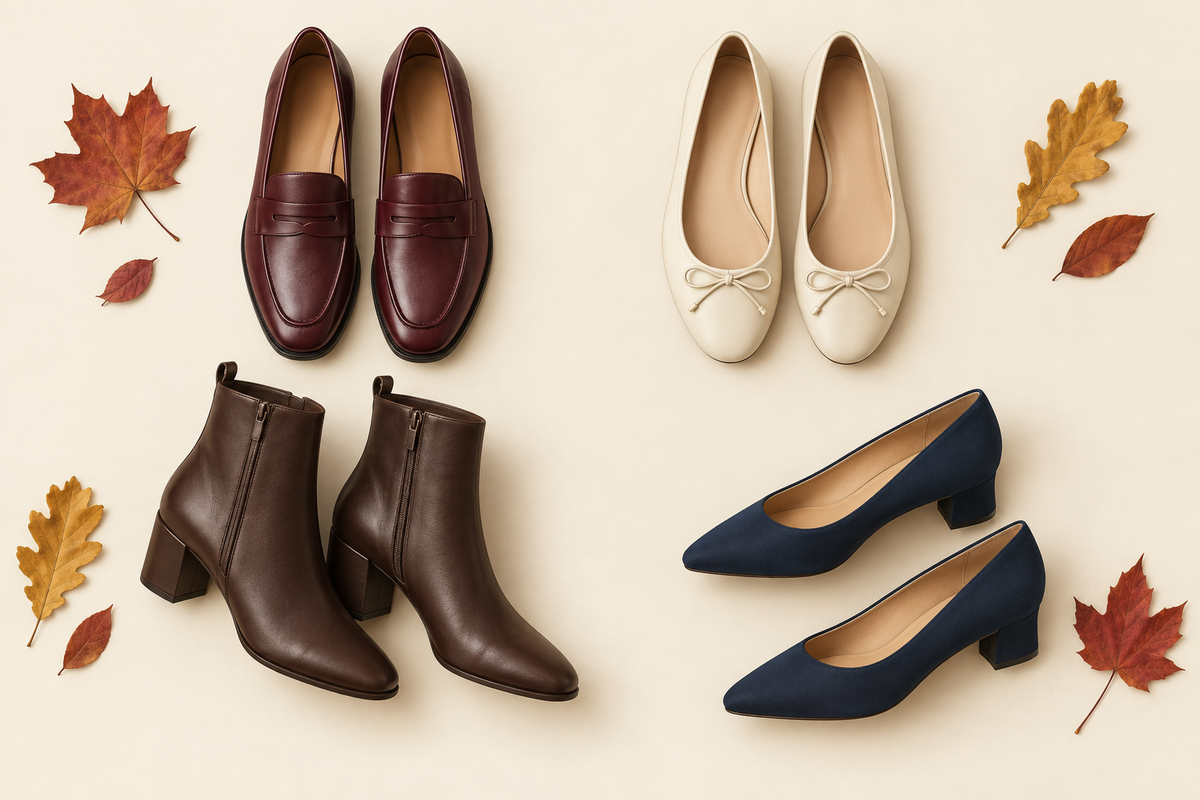
A pair of shoes suitable for your required work setting may take priority over an optional accessory. In another wardrobe, a washable top may solve a recurring laundry gap. Choose according to your own routine.
Use existing colors to avoid extra purchases
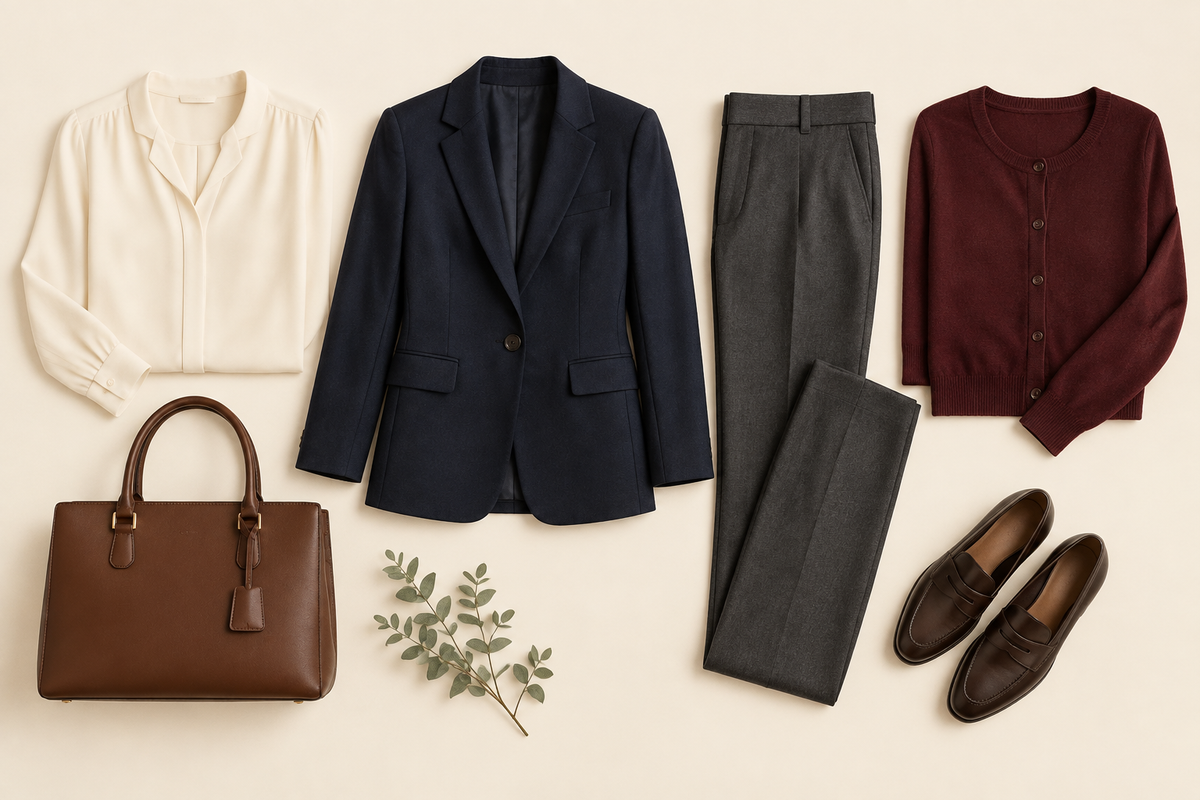
Start with the colors in the clothes you wear most. If navy trousers and cream tops already work for you, look for a missing layer that fits that combination instead of building an unrelated palette around a new item.
Try the actual shades together where possible. You do not need to remove every print or accent color to make a capsule. A burgundy cardigan or patterned blouse can be useful if it works with your existing pieces and workplace.
Consider repairs and alterations without assuming they are cheaper
A loose button or a hem that needs attention may be worth addressing before replacing a garment. For alterations, get a quote and ask whether the change is practical for the item.
Compare the total cost with how much you expect to use the garment afterward. Altering something is not automatically worthwhile, and you should not rely on a complicated alteration to rescue an uncertain purchase.
Shop with a specific outfit in mind
Before ordering a piece, name the clothes and shoes you would wear with it. Check measurements, listed materials, available variants, and care instructions. Ask about missing details rather than guessing from a photograph.
If work-ready separates or layers are the gap, explore The Workday Edit. For a broader comparison of clothing options, browse the Clothing collection. Neither destination needs to become a shopping list: use your planned role to narrow the choice.
Do not let a discount choose the outfit
Compare an item's final price with your spending limit and actual need. A reduced price does not make a piece useful if it requires several additional purchases to wear it. Check the return conditions before ordering, especially when the fit is uncertain.
Treat cost per wear as a planning estimate
Dividing an item's total cost by the number of times you expect to wear it can help compare options, but future use is uncertain. Do not use a hopeful estimate to justify spending beyond your budget. Start with realistic outfit opportunities and care needs.
A purchase checklist for a smaller work wardrobe
- I can identify the specific gap this piece fills.
- It works with named items I already own.
- It meets my workplace's requirements.
- I have checked fit information and return conditions.
- The purchase and expected care costs fit my limit.
- I would still want it without a sale countdown or promotional message.
If an item fails an important check, wait or compare another option. Building the wardrobe gradually gives you time to notice what you actually need.
Questions about budget workwear capsules
How much should I spend on a workwear capsule?
There is no universal amount. Set a limit based on what you can afford and which needs are not already covered. Someone with several usable outfits may need only one change; someone starting a new role may have different requirements.
Do I need to buy everything at once?
No. Begin with combinations that already meet your workplace needs. Add pieces as you identify genuine gaps, unless a new role or specific dress requirement creates an immediate need.
Can I repeat outfits at work?
A capsule is designed around repeatable combinations. Follow your workplace's dress and hygiene expectations, plan garment care, and change tops or layers when you want variety. You do not need a completely different wardrobe for every day.
Should I always choose the lowest-priced option?
Not necessarily. Compare fit, usefulness, care needs, and the total cost within your spending limit. A low price alone cannot establish value, just as a higher price does not guarantee quality or suitability.
Reading next
- How to Build an Autumn Workwear Capsule Wardrobe provides a flexible essentials checklist and planning process.
- Business Casual Autumn Outfits offers combinations you can try with your existing clothes.
The featured image is an illustrative wardrobe-planning concept, not a photograph of specific Moderne products.

Leave a comment
This site is protected by hCaptcha and the hCaptcha Privacy Policy and Terms of Service apply.